Artists and Artworks
- 11.1 - Thomas Couture, Romans of the Decadence, 1847
- 11.3 - Auguste Clésinger, Woman Bitten by a Snake, 1847
- 11.4 - Gustave Courbet, Painter’s Studio: A Real Allegory Summing Up Seven Years of My Life as an Artist, 1854-55
- 11.5 - Rosa Bonheur, Horse Fair, 1853-55
- 11.6 - Edouard Manet, Déjeuner sur l’herbe, 1863
- 11.7 - Alexandre Cabanel, Birth of Venus, 1863
- 11.8 - James Abbott McNeill Whistler, Symphony in White No. 1: The White Girl, 1862
- 11.9 - Jean-Baptiste Carpeaux, Ugolino and His Sons, 1863
- 11.10 - Edouard Manet, Olympia, 1863
- 11.11 - Gustave Moreau, Thracian Girl Carrying the Head of Orpheus, 1879
- 11.12 - Jules Dalou, Triumph of the Republic, 1879-89
- 11.13 - Fredéric Bartholdi, Liberty Enlightening the World, 1884 (installed)
- 11.14 - Mariya Bashkirtseva (Marie Bashkirtseff), Meeting, 1884
- 11.16 - Karl von Piloty, Seni by the Corpse of Wallenstein, 1855
- 11.17 - Hans Makart, Entry of Karl V into Antwerp, 1878
- 11.18 - Anton von Werner, Crown Prince Friedrich Wilhelm with the Corpse of General Douay at the Battle of Wissembourg, 1870
- 11.19 - Adolf von Menzel, Flute Concert at Sanssouci Palace, 1850-52
Readings
Benjamin, Walter. Charles Baudelaire: A Lyric Poet in the Era of High Capitalism, Harry Zohn, trans. London: NLB, 1973
Bergman-Carton, Janis. “The Gendering of Impressionism” in Norma Broude and Mary D. Garrard, eds. Reclaiming Female Agency: Feminist Art History after Postmodernism. Berkeley, CA: University of California Press, 2005, pp. 203-15
Blakesley, Rosalind P. Pride and the Politics of Nationality in Russia's Imperial Academy of Fine Arts, 1757-1807. Hoboken, NJ: Wiley, 2010
Boime, Albert. Art in an Age of Civil Struggle, 1848-1871. Chicago, IL: University of Chicago Press, 2007
Boime, Albert. The Academy and French Painting in the Nineteenth Century. London: Phaidon, 1971
Friedrich, Otto. Olympia: Paris in the Age of Manet. New York: HarperCollins, 1992
Greenhalgh, Paul. Ephemeral Vistas: The Expositions Universelles, Great Exnibitions and World’s Fairs, 1851-1939. New York: St. Martin’s Press, 1988
Harrison, Charles. Painting the Difference: Sex and Spectator in Modern Art. Chicago, IL: University of Chicago Press, 2006
Hobsbawm, Eric. The Age of Capital: 1848-1875. New York: Vintage Books, 1996
Holt, Elizabeth Gilmore, ed. The Triumph of Art for the Public: The Emerging Role of Exhibitions and Critics. Garden City NY: Anchor Press, 1979
Lenman, Robin. Artists and Society in Germany, 1850-1914. Manchester and New York: Manchester University Press, 1997
Mainardi, Patricia. Art and Politics of the Second Empire: The Universal Expositions of 1855 and 1867. New Haven, CT and London: Yale University Press, 1987
Marrinan, Michael. Painting Politics for Louis-Philippe: Art and Ideology in Orleanist France, 1830-1848. New Haven, CT: Yale University Press, 1988
Prettejohn, Elizabeth. Art for Art’s Sake: Aestheticism in Victorian Painting. Exhibition catalogue. New Haven, CT: Yale University Press, 2007
Shaw, Jennifer. “The Figure of Venus: Rhetoric of the Ideal and the Salon of 1863,” in Caroline Arscott, and Katie Scott, eds., Manifestations of Venus. Manchester: Manchester University Press, 2001, pp. 90-108
Subtitle
CRISIS IN THE ACADEMY
1900 Exposition universelle map
Web Resources
Images
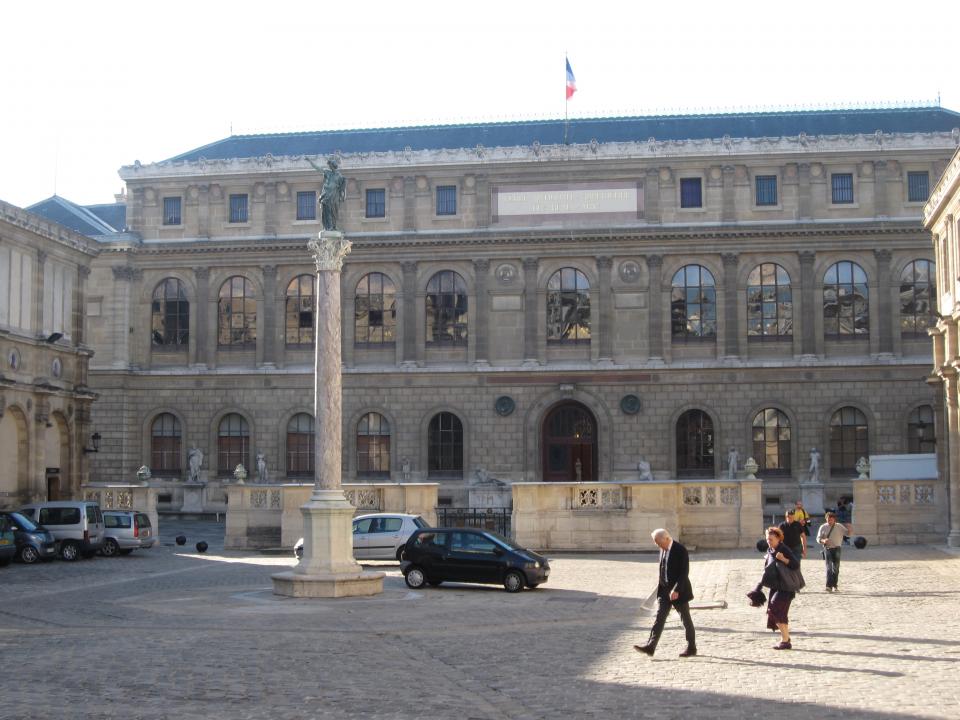
Ecole des Beaux-Arts, rue Bonaparte, Paris (6th arrondissement)
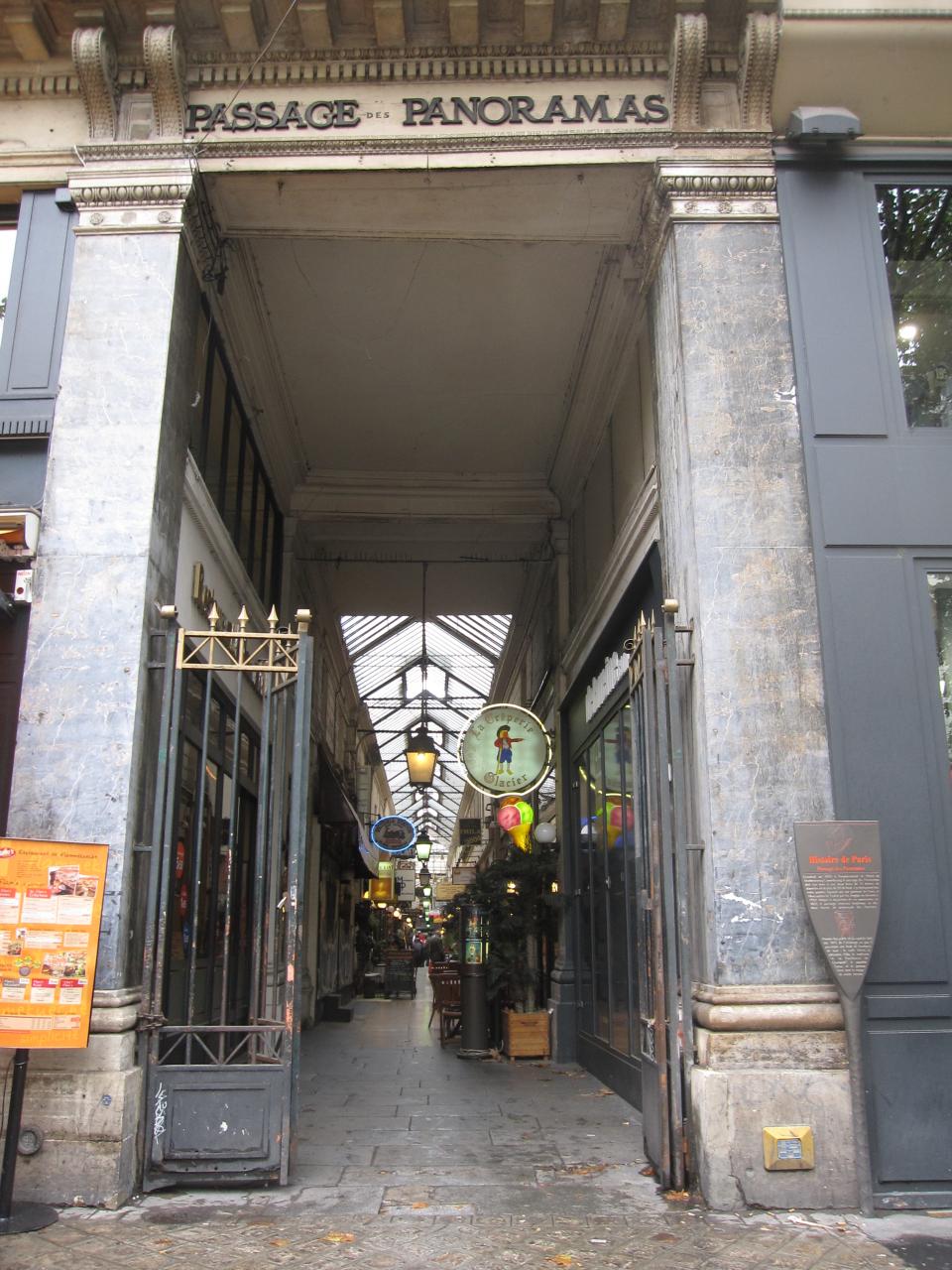
Cabanel student Rodolphe Julian opens academy here in 1868; 7 other locations follow. Students: Bernard, Ranson, Denis.
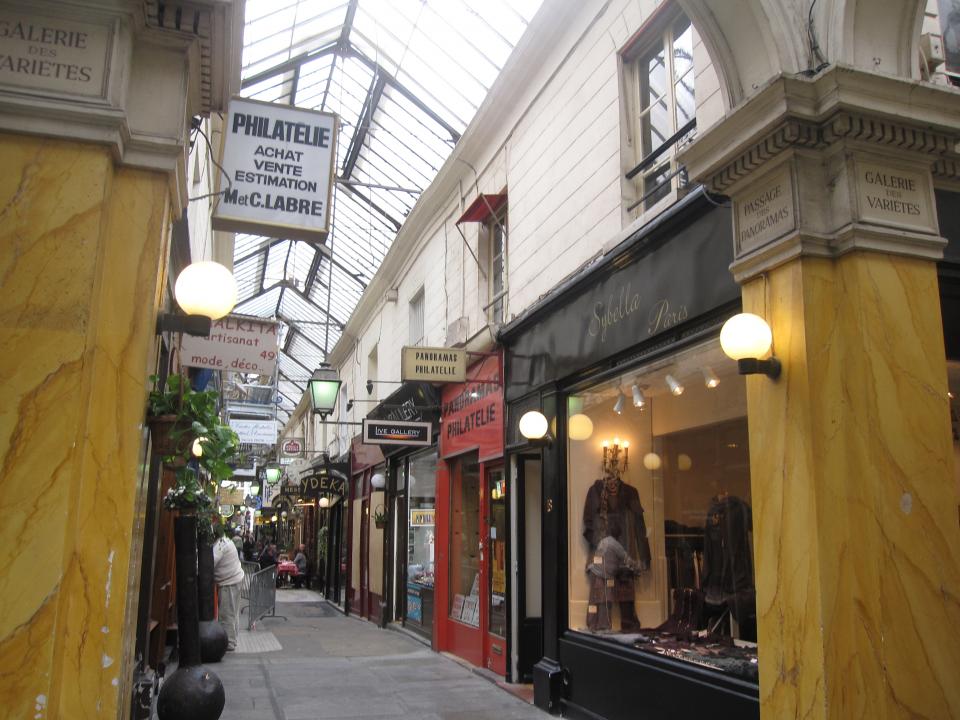
Cabanel student Rodolphe Julian opens academy here in 1868; 7 other locations follow. Students: Bernard, Ranson, Denis
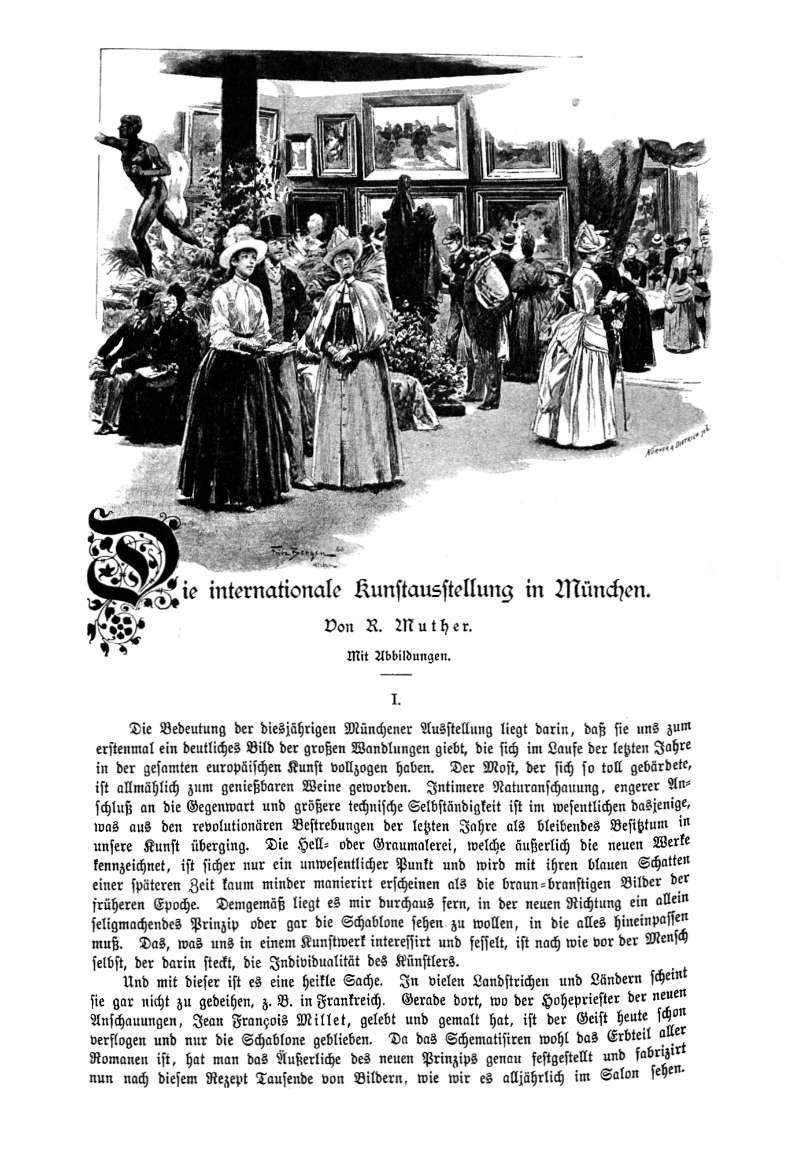
Munich International Art Exhibition 1888. Zeitschrift fur bildende Kunst 1888 pg 284.
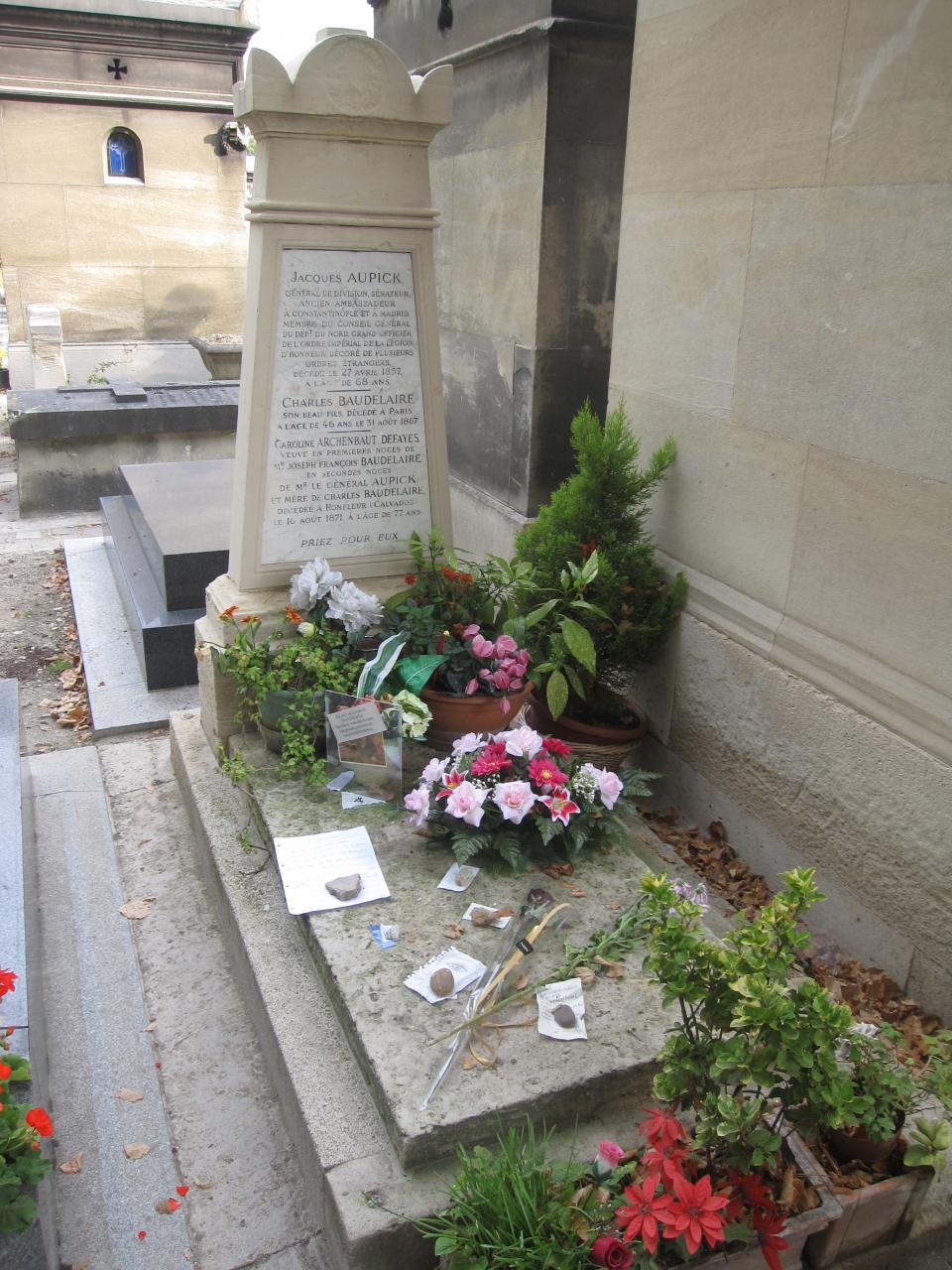
Baudelaire's grave in Montparnasse Cemetery, Paris
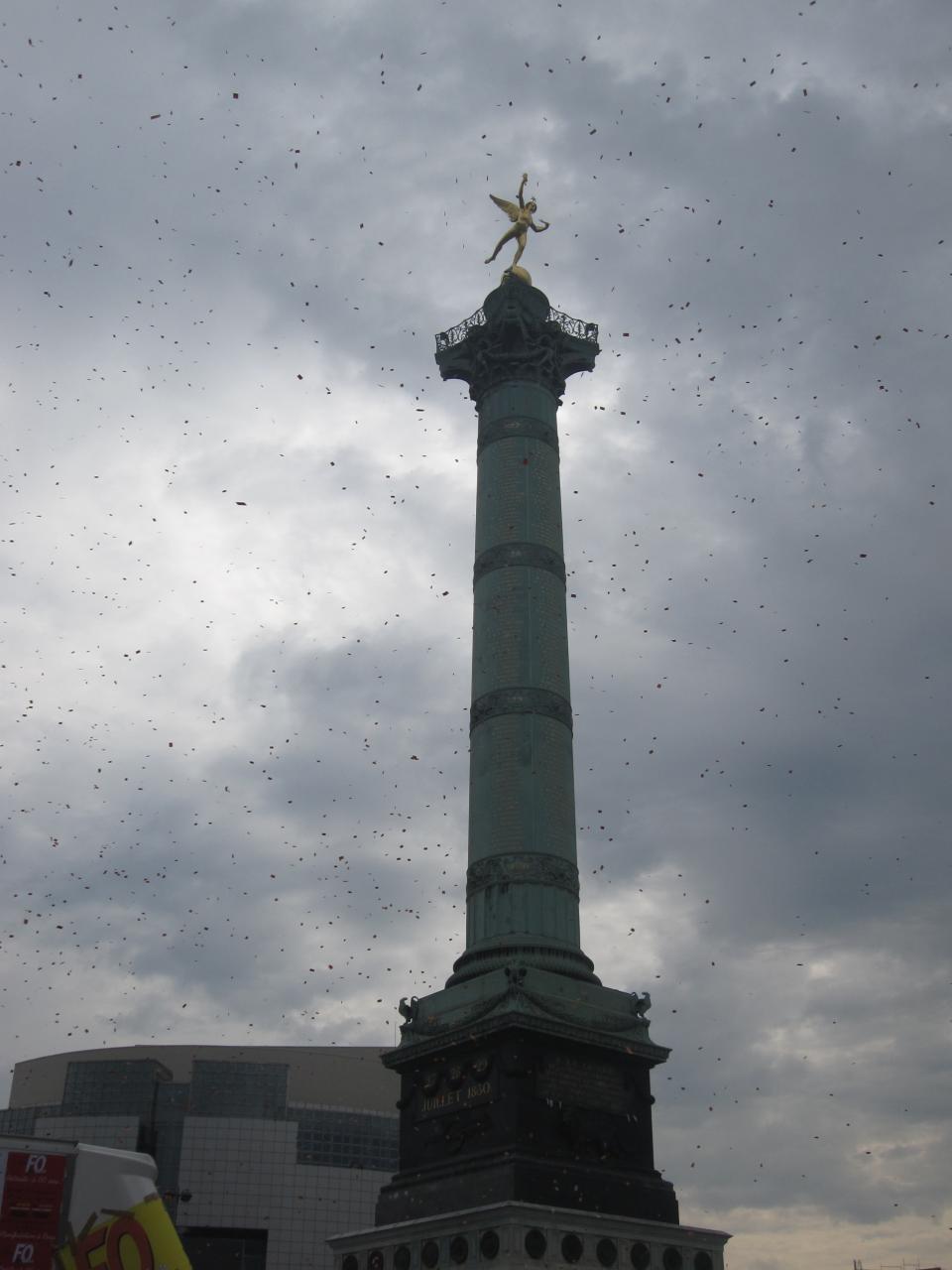
Place de la Bastille is still where political demonstrations begin in Paris.
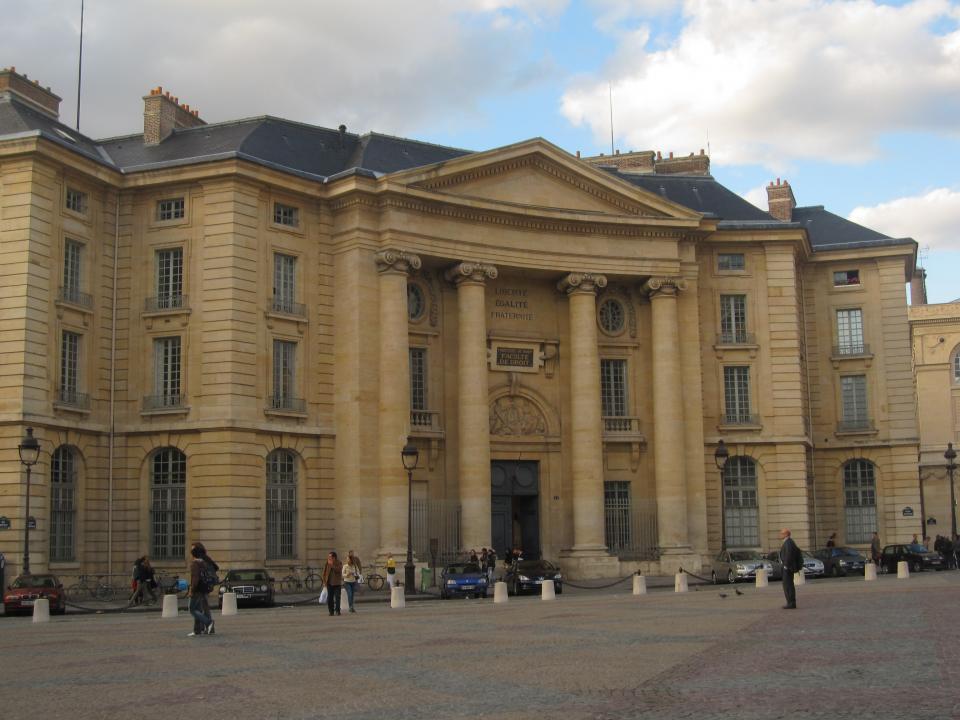
Louvre, Paris. Formerly a royal palace, this is where Salon exhibition were held in the 18th and 19th centuries.
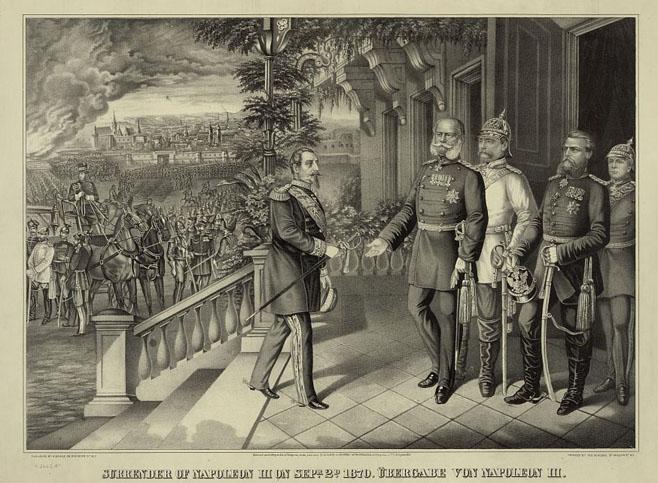
Surrender of Napoleon III, ending the Franco-Prussian War in 1871
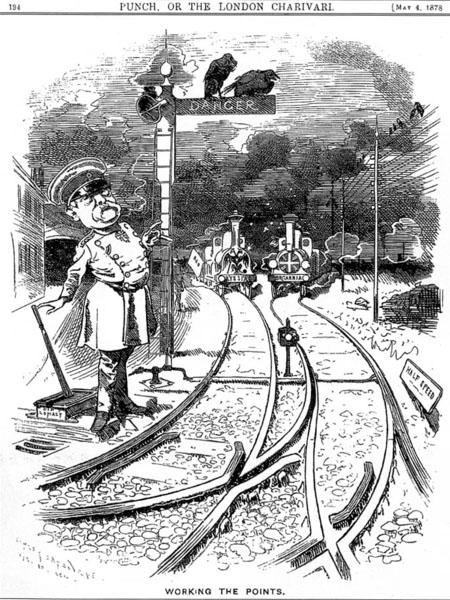
National rivalry between Germany and France at 1878 Exposition universelle is lampooned in Punch magazine
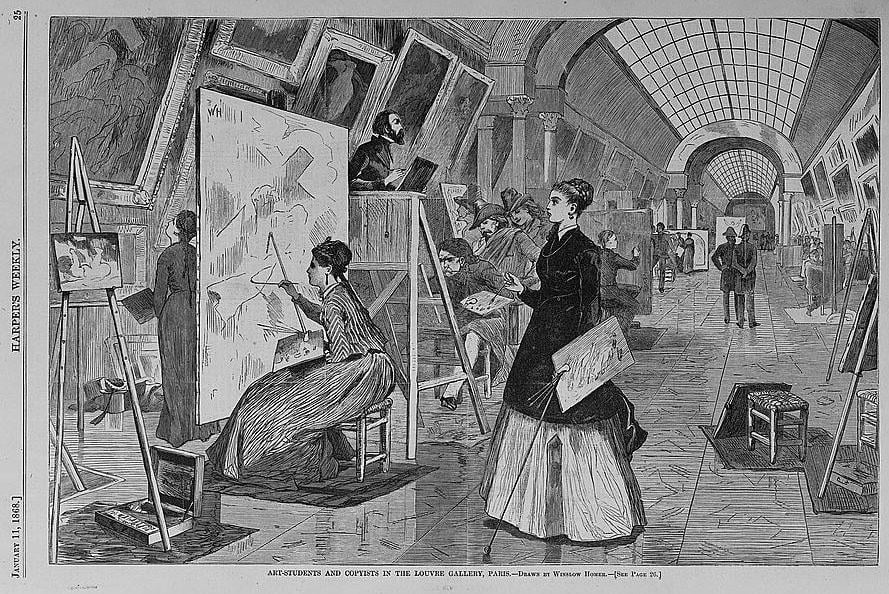
Artists copying at the Louvre in 1868
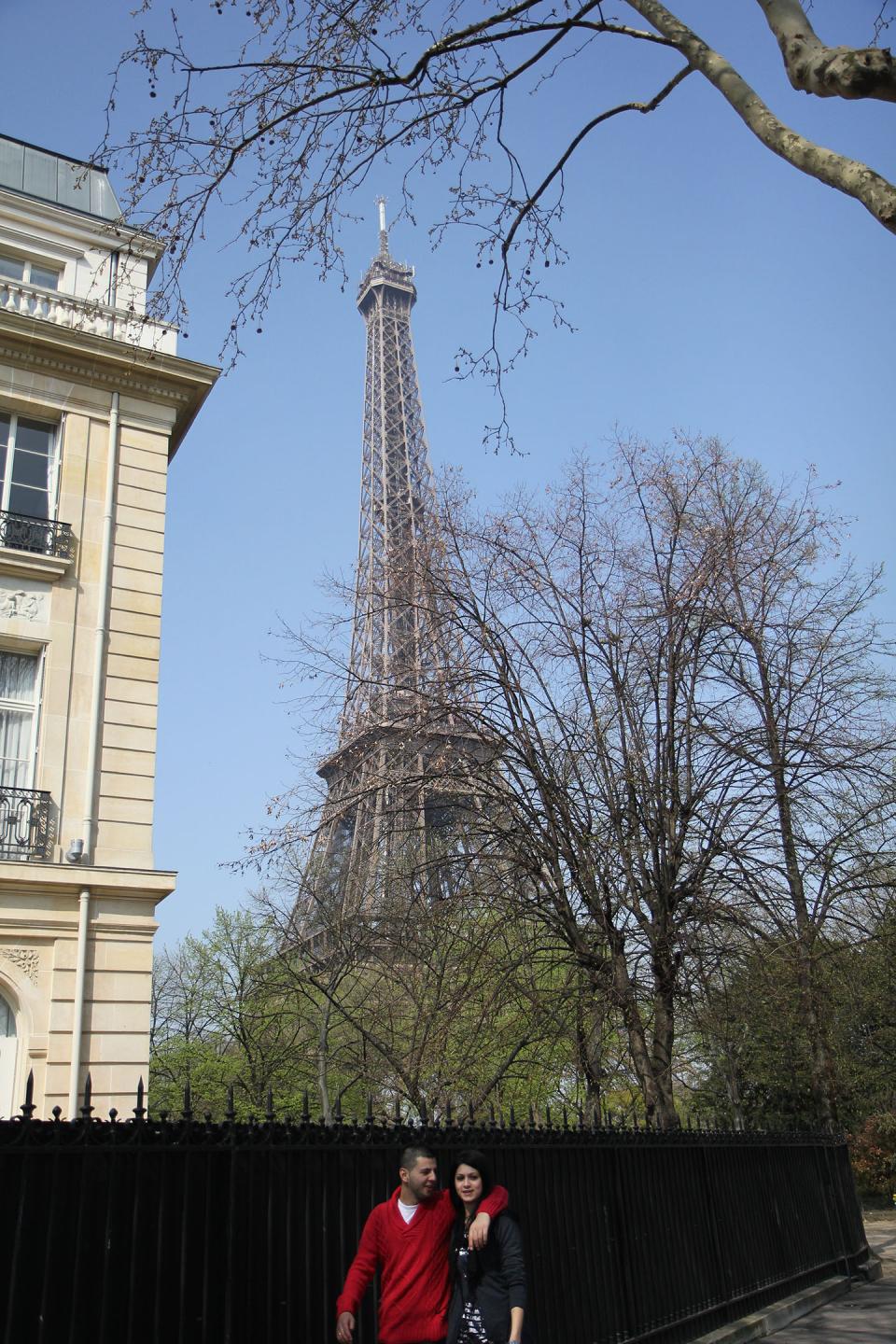
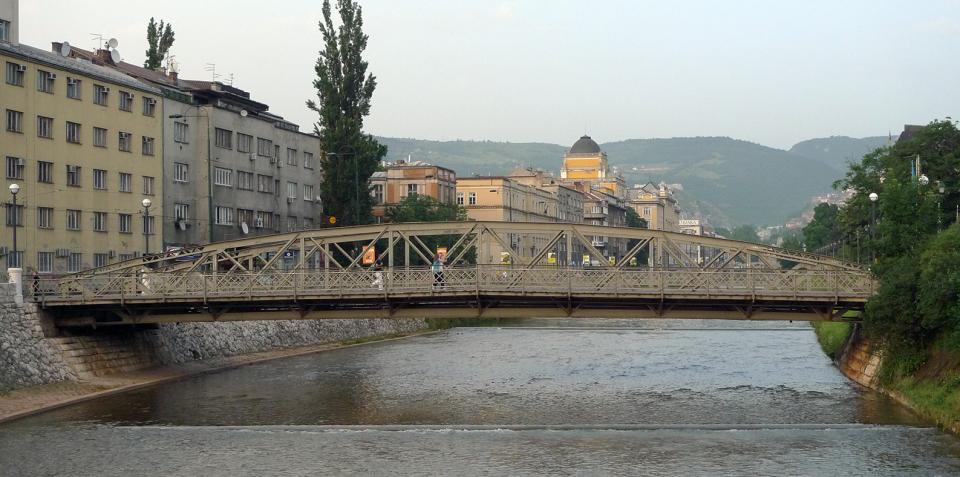
Eiffel's bridge in Sarajevo
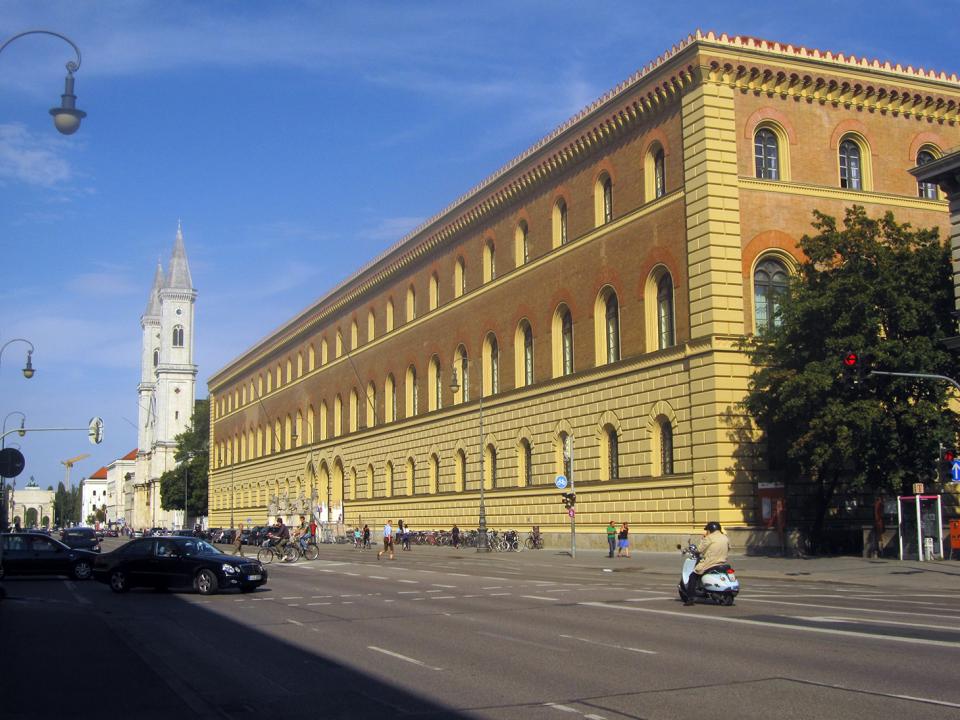
Munich. Ludwig I's Renaissance-style library and Gothic-style church